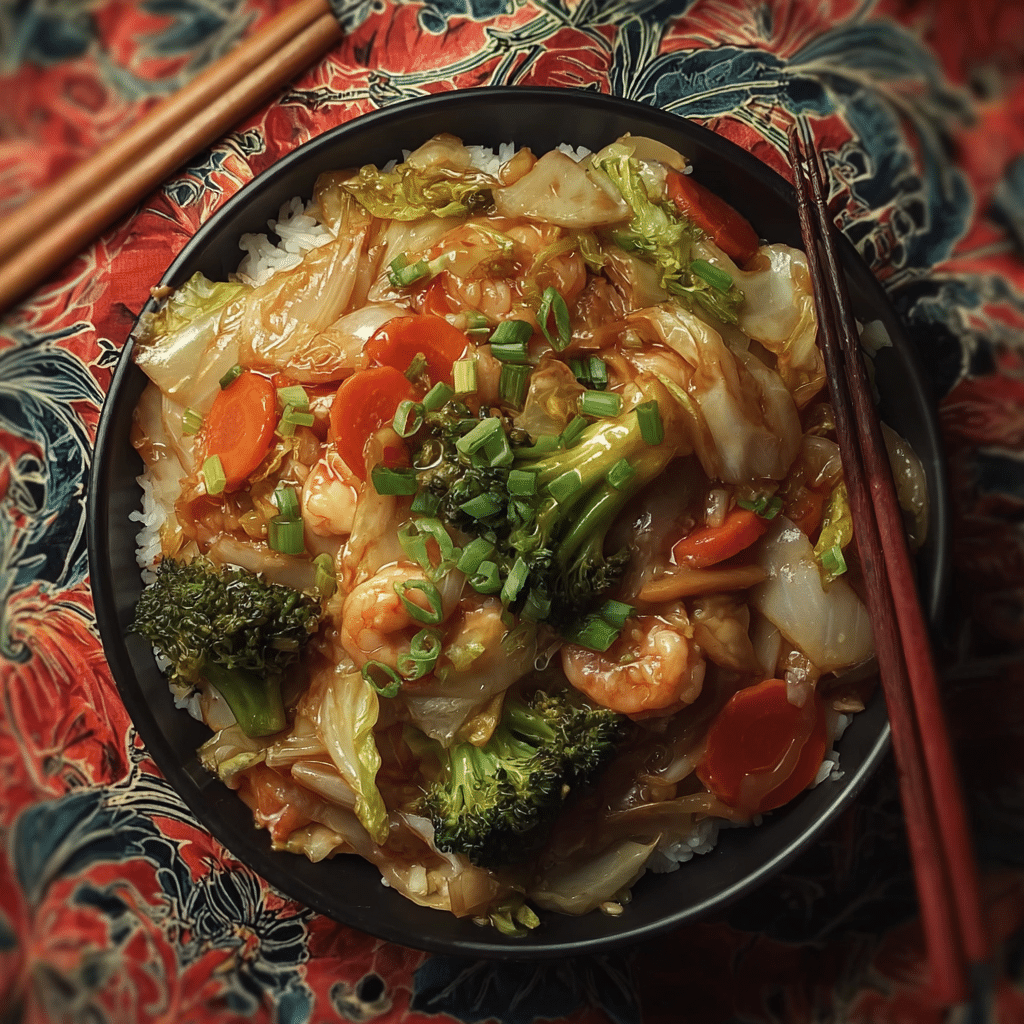
Chop Suey is one of those dishes that feels endlessly comforting and wonderfully flexible at the same time. It’s colorful, saucy, and packed with tender pieces of meat and crisp-tender vegetables, all coated in a savory, glossy sauce that begs to be spooned over a bed of steaming rice or twirled with noodles.
Unlike complicated stir-fries that demand special equipment or hard-to-find ingredients, this Chop Suey is simple, approachable, and completely weeknight-friendly. With a bit of chopping and a few minutes over high heat, you can turn everyday ingredients into a satisfying meal that looks like it came straight from your favorite takeout spot—only fresher, lighter, and tailored exactly to your taste.
What makes this recipe especially appealing is how easy it is to customize. You can keep it classic with chicken and a mix of crunchy vegetables, or change it up with beef, shrimp, tofu, or whatever you have on hand. Chop Suey is less about strict rules and more about using what’s in your fridge and transforming it into something delicious, colorful, and deeply satisfying.
Whether you’re feeding a family, meal-prepping for the week, or just craving a cozy bowl of saucy stir-fry, this Chop Suey recipe fits the moment. It’s quick enough for busy nights, yet impressive enough to serve to guests with a pot of fluffy rice and a few simple toppings.
Core Ingredients for Making the Recipe
To prepare this comforting and versatile Chop Suey, you’ll need a handful of simple ingredients you can easily find in any supermarket. The recipe starts with the base you provided—chicken, bell peppers, onions, and bean sprouts—and builds on it with a savory stir-fry sauce and a few extra vegetables for flavor and texture.
Here’s what you’ll need:
For the Chicken and Vegetables
- 2 tablespoons vegetable oil (or any neutral oil like canola or sunflower)
- 1 pound boneless chicken breast, thinly sliced
- 1 cup sliced bell peppers (red, green, or yellow – or a mix for color)
- 1 cup sliced onions (yellow or white onions work best)
- 1 cup bean sprouts (fresh if possible, rinsed and drained)
- 1 cup sliced carrots (cut into thin matchsticks or coins)
- 1 cup sliced celery (on a slight diagonal for a nicer look)
- 1 cup chopped cabbage (green or Napa cabbage, thinly shredded)
- 2 cloves garlic, minced
- 1 teaspoon fresh ginger, minced or grated (optional but highly recommended)
For the Stir-Fry Sauce
This sauce is what ties everything together, giving your Chop Suey its savory, slightly glossy finish.
- 1/3 cup low-sodium soy sauce
- 1 cup chicken broth or vegetable broth
- 1 tablespoon oyster sauce (for depth and umami; optional but very nice)
- 1 tablespoon hoisin sauce (adds a gentle sweetness and richness)
- 1–2 teaspoons sugar or honey (to balance the saltiness; adjust to taste)
- 1 tablespoon rice vinegar (or apple cider vinegar) for brightness
- 1 tablespoon cornstarch
- 2 tablespoons water (to dissolve the cornstarch and make a slurry)
- 1/2 teaspoon toasted sesame oil (for a nutty finish, added at the end)
Optional Add-Ins and Toppings
These aren’t required but can elevate your Chop Suey and make it even more special:
- 1/2 cup snap peas or snow peas, trimmed
- 1/2 cup mushrooms, sliced (button, cremini, or shiitake)
- Red pepper flakes or a squeeze of sriracha, for heat
- Sesame seeds, for garnish
- Sliced green onions, for a fresh, bright finish
- Cooked rice or noodles, for serving
Step-by-Step

Chop Suey comes together quickly once you start cooking, so it helps to have all your ingredients prepped and ready. This is a classic “mise en place” recipe: slice, measure, and organize first; then cook fast over high heat.
1. Prepare the Ingredients
Begin by prepping all your ingredients:
- Thinly slice the chicken breast into bite-sized strips. Cutting across the grain helps keep the meat tender.
- Slice your bell peppers into thin strips, your onions into half-moons, and your carrots and celery into thin pieces so they cook quickly.
- Shred the cabbage and rinse the bean sprouts. Pat them dry with a paper towel to remove excess moisture.
- Mince the garlic and ginger and set them aside in a small bowl so they’re ready to hit the pan.
Having everything prepped before you turn on the stove makes the actual cooking smooth and stress-free.
2. Make the Stir-Fry Sauce
In a medium bowl or measuring jug, whisk together:
- Soy sauce
- Chicken or vegetable broth
- Oyster sauce
- Hoisin sauce
- Sugar or honey
- Rice vinegar
In a separate small bowl, stir the cornstarch with 2 tablespoons of water until completely dissolved. This is your slurry, which will thicken the sauce later. Keep both the sauce mixture and the slurry close to the stove.
3. Season and Sear the Chicken
Pat the sliced chicken dry with a paper towel—this helps it brown instead of steam. Lightly season it with a pinch of salt and pepper (go easy; the sauce already contains salt from the soy sauce).
- Heat 1 tablespoon of vegetable oil in a large wok or deep skillet over medium-high to high heat.
- When the oil is shimmering and hot, add the chicken in a single layer if possible.
- Let it sear undisturbed for 1–2 minutes to develop color, then stir-fry for another 2–3 minutes until the chicken pieces are mostly cooked through and lightly golden on the edges.
Transfer the chicken to a plate and set aside. It will finish cooking later when it’s returned to the pan with the vegetables and sauce.
4. Stir-Fry the Aromatics
In the same pan, add the remaining 1 tablespoon of vegetable oil if the pan looks dry.
- Add the garlic and ginger, stirring constantly for about 30 seconds until fragrant.
- Be careful not to burn them; they should smell aromatic and lightly sizzle but not turn dark brown.
This quick step infuses the oil—and your entire dish—with deep, savory flavor.
5. Add the Sturdy Vegetables
Next, add the vegetables that take slightly longer to cook:
- Onions
- Carrots
- Celery
Stir-fry these for 3–4 minutes, keeping the heat fairly high. You’re aiming for vegetables that are bright, slightly softened, but still have a bit of crunch. Stir and toss frequently so nothing scorches on the bottom of the pan.
6. Add the Remaining Vegetables
When the onions have softened and turned a little translucent and the carrots are just starting to give when you press them with a spatula:
- Add the bell peppers and cabbage, plus any optional vegetables like snap peas or mushrooms.
Stir-fry for another 2–3 minutes. The peppers should become slightly tender but retain their color and bite, and the cabbage should begin to wilt.
7. Return the Chicken and Add the Sauce
Slide the chicken and any juices that have collected on the plate back into the pan. Toss everything together so the chicken mingles with the vegetables.
- Give the prepared sauce a quick stir and pour it into the pan, coating the chicken and vegetables.
- Let the mixture come to a gentle simmer.
At this stage, everything should be sizzling, glossy, and fragrant.
8. Thicken the Sauce
Once the sauce is simmering, give the cornstarch slurry a quick stir (it can settle at the bottom) and pour it into the pan while stirring constantly.
- Cook for 1–2 minutes as the sauce thickens and clings to the chicken and vegetables.
- If the sauce becomes too thick, add a splash of broth or water to loosen it. If it feels too thin, let it simmer a bit longer or add a tiny bit more slurry.
When you’re happy with the consistency, turn off the heat and stir in the toasted sesame oil. This adds a warm, nutty aroma and a finishing touch of richness.
9. Finish with Bean Sprouts
Finally, add the bean sprouts and gently toss them through the hot Chop Suey.
- The residual heat will soften them just enough while keeping their crisp, juicy texture intact.
- Taste and adjust seasoning if needed—add a touch more soy sauce if you want more saltiness or a pinch of sugar if you’d like a slightly sweeter balance.
Your Chop Suey is now ready to serve—steaming, colorful, and packed with flavor.
Flavor Variations and Creative Twists
One of the best things about Chop Suey is how flexible it is. You can think of this recipe as a template rather than a strict set of rules. Once you understand the basic method—high heat, quick cooking, and a savory sauce—you can play with the ingredients and create endless variations.
1. Try Different Proteins
- Beef: Thinly slice flank steak or sirloin against the grain. Marinate briefly in soy sauce, a little cornstarch, and a drizzle of oil before stir-frying.
- Pork: Use thin slices of pork loin or pork shoulder. Pair it with cabbage, onions, and bell peppers for a slightly richer version.
- Shrimp: Peeled and deveined medium or large shrimp cook very quickly and bring a delicate sweetness that pairs beautifully with the sauce.
- Tofu: For a vegetarian or plant-forward version, use firm or extra-firm tofu. Press it to remove excess moisture, cube it, and pan-fry until golden before adding it to the vegetables.
You can even mix and match—chicken and shrimp together, or tofu with a smaller amount of meat for a lighter, balanced meal.
2. Play with Vegetable Combinations
Chop Suey is the perfect dish for using up excess vegetables in your fridge. Some great additions or substitutions include:
- Broccoli florets
- Baby corn
- Zucchini or yellow squash
- Bok choy
- Green beans
Keep in mind that harder vegetables like broccoli and green beans take a bit longer to cook, so add them earlier in the process, while delicate vegetables like bean sprouts or spinach should be added at the very end.
3. Adjust the Heat Level
If you love a bit of spice, you can easily adjust the recipe:
- Add red pepper flakes or chili oil when you sauté the garlic and ginger.
- Stir in a spoonful of sambal oelek or sriracha with the sauce.
- Serve with extra chili sauce at the table so each person can customize their own bowl.
4. Sweet and Tangy Twists
You can give your Chop Suey a gently sweet or tangy finish by playing with the sauce:
- Add a splash of orange juice or a bit of pineapple juice for a subtle fruity note.
- Stir in a spoonful of brown sugar for a deeper, caramel-like sweetness.
- Use a touch more vinegar if you prefer a brighter, tangier profile.
These little adjustments let you steer the dish closer to your personal flavor preferences or the tastes of your family.
How to Serve
Chop Suey is incredibly versatile when it comes to serving. You can keep it simple, or dress it up a little to turn it into a complete, restaurant-style meal at home.
1. Over Steamed Rice
The most classic way to enjoy Chop Suey is spooned generously over a bowl of steamed white rice. The rice absorbs the savory sauce, creating a comforting, satisfying combination.
- Jasmine rice brings a fragrant touch.
- Basmati rice offers a slightly firmer texture and nutty aroma.
- Brown rice adds a wholesome, hearty element if you prefer more fiber.
2. With Noodles
For a fun twist, serve your Chop Suey over or tossed with noodles:
- Egg noodles or lo mein style noodles give a takeout-style feel.
- Rice noodles are great if you’re avoiding wheat.
- Thin spaghetti can also work in a pinch if that’s what you have on hand.
Tossing the Chop Suey with noodles while everything is still hot allows the sauce to coat each strand and creates a comforting noodle bowl.
3. As a Part of a Larger Spread
Chop Suey also works beautifully as one dish in a larger family-style meal. Pair it with:
- Fried rice or simple vegetable rice
- A light soup or broth
- A crisp cucumber or carrot salad
- Spring rolls or dumplings
This makes it perfect for small gatherings, special family dinners, or weekend meals when you want the feel of takeout without picking up the phone.
4. Meal Prep Bowls
Because Chop Suey reheats well, it’s a great option for meal prep.
- Portion the Chop Suey into containers with rice or noodles.
- Let everything cool before sealing and refrigerating.
You’ll have ready-to-heat lunches or dinners that taste just as good the next day.
Tips & Variations
A few simple tips can help you nail the perfect texture and flavor every time you make Chop Suey.
1. Use High Heat and Cook Quickly
Stir-fries are best cooked over fairly high heat. This:
- Helps the vegetables stay crisp-tender instead of becoming soggy.
- Encourages a bit of caramelization on the meat and vegetables, deepening the flavor.
If your stove doesn’t get very hot, simply avoid crowding the pan. Cook in batches if necessary so the food stir-fries rather than steams.
2. Slice Ingredients Evenly
Try to keep your vegetables and chicken pieces similar in size and thickness. This ensures:
- Everything cooks at roughly the same rate.
- You don’t end up with overcooked bits and undercooked chunks in the same pan.
3. Don’t Overcook the Vegetables
Chop Suey is at its best when the vegetables still have texture.
- Stop cooking when the veggies are bright in color and just tender.
- Remember that they will continue to soften slightly from residual heat even after you turn off the stove.
4. Adjust Sauce Thickness to Your Liking
The cornstarch slurry is what thickens the sauce. A few guidelines:
- If you like a thicker, clingy sauce, use the full tablespoon of cornstarch and let it simmer until glossy.
- If you prefer a lighter, more brothy sauce, use a bit less cornstarch or add more broth when it gets too thick.
Always add the slurry gradually and give it a minute or two on the heat to see the final consistency.
5. Storage and Make-Ahead Tips
- Refrigerator: Leftover Chop Suey can be stored in an airtight container in the fridge for up to 3–4 days.
- Reheating: Reheat gently in a skillet or wok over medium heat with a splash of water or broth to loosen the sauce, or use the microwave in short bursts, stirring in between.
While the vegetables might lose a bit of their original crunch, the flavors deepen and meld, making leftovers very enjoyable.
6. Freezing
You can freeze Chop Suey, although some vegetables (particularly bean sprouts and cabbage) may soften more after thawing:
- Let the dish cool completely.
- Portion into freezer-safe containers or bags, removing as much air as possible.
- Freeze for up to 2–3 months.
To serve, thaw overnight in the refrigerator and reheat gently on the stovetop, adding a little water or broth if needed.
Final Thoughts
Chop Suey is a beautiful example of how simple ingredients—chicken, onions, crisp vegetables, and a savory sauce—can come together to create a meal that’s both comforting and vibrant. It’s not fussy, it doesn’t demand professional-level cooking skills, and yet it delivers big on flavor, color, and satisfaction.
This recipe gives you a reliable foundation: seared chicken, a rainbow of vegetables, and a well-balanced sauce that’s salty, slightly sweet, and full of umami. From there, you’re free to be creative. Swap in different vegetables, experiment with new proteins, turn up the heat with chili, or keep it mild and kid-friendly—Chop Suey happily adapts.
It’s the kind of dish you can throw together on a busy Wednesday night with whatever is in your fridge, or the one you can confidently make for guests, knowing it’s going to be a crowd-pleaser. With some rice or noodles on the side, a sprinkle of green onions, and maybe a few sesame seeds on top, you have a complete, comforting meal in one pan.
Ultimately, Chop Suey is about flexibility, warmth, and bringing a bit of restaurant-style satisfaction into your own kitchen. Once you make it a few times, it’s likely to become one of those dependable recipes you turn to again and again whenever you want something quick, colorful, and delicious.
FAQ
Can I use a different protein instead of chicken?
Yes, absolutely. This recipe works wonderfully with beef, pork, shrimp, or tofu. Just remember to adjust cooking times slightly: shrimp cooks very quickly, beef and pork should be thinly sliced and stir-fried until just done, and tofu benefits from being pressed and pan-fried until golden before adding to the vegetables and sauce.
Can I make this Chop Suey vegetarian or vegan?
Definitely. To make it vegetarian, replace the chicken with tofu or a plant-based protein and use vegetable broth instead of chicken broth. For a fully vegan version, double-check that your hoisin and oyster sauce are plant-based; you can either use vegan versions or simply skip the oyster sauce and rely on soy sauce and hoisin for flavor.
Can I use frozen vegetables?
Yes, frozen vegetables can work well in Chop Suey, especially when you’re in a hurry or don’t have fresh produce on hand. Use frozen stir-fry blends that include carrots, peas, bell peppers, or broccoli. Add them straight from the freezer to the hot pan but be prepared to cook them a bit longer to evaporate any extra moisture. You might want to reduce the broth slightly so the sauce doesn’t become too watery.
Do I need a wok to make Chop Suey?
A wok is helpful because its shape makes high-heat cooking and tossing easier, but it is not essential. A large, heavy-bottomed skillet or sauté pan works perfectly well. The key is to avoid overcrowding the pan and to keep the ingredients moving so they cook evenly and don’t burn.
How can I keep the vegetables from getting soggy?
To maintain crisp-tender vegetables:
- Use high heat when stir-frying.
- Cook the vegetables in stages, starting with the ones that take longer (like carrots and celery) and finishing with quick-cooking ones (like bell peppers and bean sprouts).
- Avoid covering the pan, which traps steam and can soften everything too much.
Also, don’t let the stir-fry sit on the heat too long after the sauce thickens—once it looks glossy and hot, it’s ready.
Can I prepare parts of the recipe ahead of time?
Yes, this recipe is very meal-prep friendly. You can:
- Slice all the vegetables and store them in containers in the fridge for a day or two.
- Slice the chicken and keep it refrigerated (tightly covered) for up to a day.
- Mix the sauce ingredients (without the cornstarch slurry) and keep it in a jar in the fridge.
When it’s time to cook, everything will be ready to go, and you can have dinner on the table in a matter of minutes.
How should I store and reheat leftovers?
Store leftover Chop Suey in an airtight container in the refrigerator for up to 3–4 days. To reheat:
- Use a skillet or wok over medium heat, adding a splash of water or broth to loosen the sauce. Stir gently until everything is hot.
- Alternatively, reheat in the microwave in 30–60 second bursts, stirring in between, until heated through.
While the vegetables may lose a bit of their initial crunch, the flavors stay rich and comforting, making leftovers well worth enjoying.
Can I freeze Chop Suey?
Yes, you can freeze Chop Suey, though tender vegetables like bean sprouts and cabbage will soften more after thawing. If you plan to freeze it:
- Cool the Chop Suey completely.
- Portion it into freezer-safe containers or bags, removing extra air.
- Freeze for up to 2–3 months.
Thaw overnight in the refrigerator and reheat gently on the stovetop. The sauce may need a splash of water or broth to regain its ideal consistency.