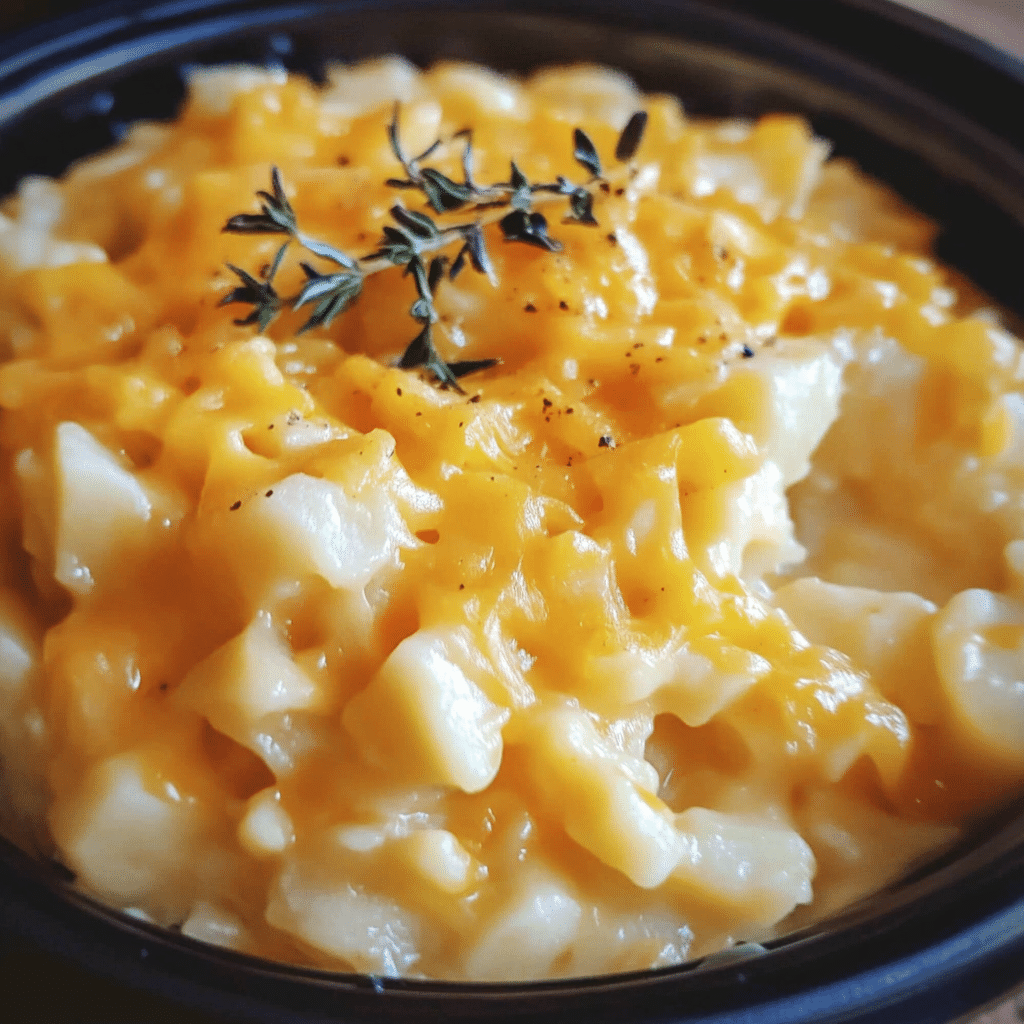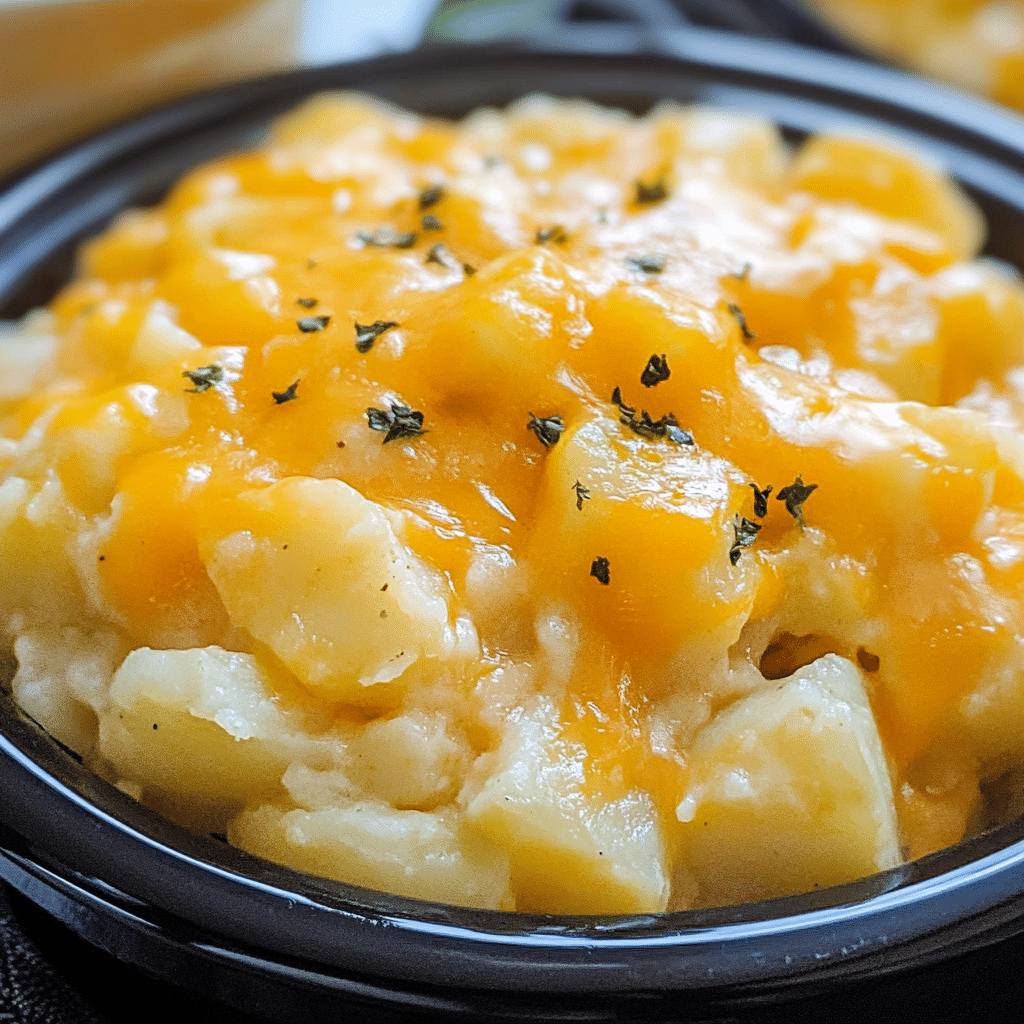

There are days when you crave pure comfort—something cheesy, hearty, and loaded with flavor. That’s exactly where Philly Cheesesteak Pasta comes in. It takes everything people love about a classic Philly cheesesteak sandwich—savory beef, tender peppers and onions, and melty cheese—and wraps it all around a bed of perfectly cooked pasta.
Instead of being served in a hoagie roll, the flavors are tossed into a creamy, cheese-coated pasta dish that’s just as cozy and satisfying, but even more practical for feeding a family or a crowd. Every bite gives you tender pasta, juicy beef, and sweet sautéed peppers and onions, all cloaked in a rich, velvety cheese sauce.
What makes this dish special is its balance of comfort and ease. There’s no complicated technique, no fancy equipment, and no need to babysit anything for hours. You cook the pasta, brown the beef or shaved steak, sauté the vegetables, whisk together a simple cheese sauce, and then bring everything together in one big, comforting pan.
Perfect for busy weeknights, game-day gatherings, potlucks, or those evenings when you just want a bowl of something warm, cheesy, and satisfying, Philly Cheesesteak Pasta is a dish that feels indulgent but comes together with everyday ingredients. Once you try it, it’s the kind of recipe that easily earns a place in your regular rotation whenever you crave something hearty and full of flavor.
Core Ingredients for Making the Recipe
To prepare this comforting Philly Cheesesteak Pasta, you’ll need just a handful of simple, familiar ingredients. Think of it as a mash-up between your favorite pasta dish and the classic cheesesteak.
Here’s what you’ll need:
For the Pasta
- Pasta (12 oz) – Short shapes like penne, rotini, rigatoni, or shells work best. They hold the sauce and bits of beef and vegetables in every bite.
- Salt – For seasoning the pasta water, which is the first step to getting flavorful pasta.
For the Meat and Veggie Mixture
- Ground beef or shaved steak (1 lb) – Ground beef gives you a hearty, saucy texture, while shaved steak feels closer to a traditional Philly cheesesteak. Either works beautifully.
- 2 tablespoons olive oil – For sautéing the vegetables and helping the beef sear nicely.
- Bell peppers and onions – Use a mix for color and sweetness:
- 1 large onion, thinly sliced
- 1 green bell pepper, thinly sliced
- 1 red or yellow bell pepper, thinly sliced (optional but great for color)
- 2–3 cloves garlic, minced – Adds depth and savoriness to the dish.
- 1 teaspoon salt – To season the beef and vegetables.
- ½ teaspoon black pepper – For gentle heat and balance.
- 1 teaspoon paprika (sweet or smoked) – Adds a subtle warmth and color.
- 1 teaspoon Italian seasoning or dried oregano – Gives a little herby background note that works well with beef and cheese.
- 1 tablespoon Worcestershire sauce – Adds a savory, slightly tangy umami boost that echoes the flavor of steak sandwiches.
- 1 cup beef broth – Helps create a flavorful base and keeps everything moist and saucy.
For the Cheese Sauce
- 2 tablespoons unsalted butter – Forms the base of a simple roux.
- 2 tablespoons all-purpose flour – Thickens the sauce so it clings to the pasta.
- 1½ cups milk or half-and-half – For a creamy, velvety cheese sauce.
- 1½ cups shredded provolone or mozzarella cheese – Provolone gives classic cheesesteak flavor; mozzarella delivers that stretchy, melty pull.
- ½ cup grated Parmesan cheese – Adds saltiness, nuttiness, and a bit of sharpness.
- ½ teaspoon Dijon mustard (optional) – You won’t taste “mustard” as such; it just deepens the flavor of the cheese sauce.
- Salt and pepper, to taste – To fine-tune the cheese sauce once it’s ready.
Optional Toppings and Garnishes
- Extra shredded cheese – For sprinkling on top before serving or baking.
- Fresh parsley, chopped – Adds a pop of color and freshness.
- Red pepper flakes – For a touch of heat if you like things spicy.
Step-by-Step
Guide to Making the Recipe
1. Cook the Pasta
Start by bringing a large pot of salted water to a rolling boil.
Add your 12 oz of pasta and cook according to the package directions until just al dente—tender but still slightly firm in the center. Remember that the pasta will cook a bit more when combined with the hot sauce, so avoid overcooking it at this stage.
Once cooked, reserve about ½ cup of pasta cooking water in case you need to loosen the sauce later. Then drain the pasta and set it aside. Toss it lightly with a drizzle of olive oil if you want to prevent sticking.
2. Sauté the Peppers and Onions
While the pasta cooks, heat 2 tablespoons olive oil in a large skillet or sauté pan over medium-high heat.
Add the sliced onions and bell peppers to the hot pan. Sauté, stirring occasionally, until they soften and start to caramelize slightly around the edges—about 6–8 minutes.
You’re looking for vegetables that are tender yet still have a bit of bite, with a touch of sweetness from the onions and peppers. This step builds the base flavor that makes Philly cheesesteak so iconic.
Once the vegetables are softened and fragrant, push them to one side of the pan or transfer them to a plate and set them aside.
3. Brown the Beef or Shaved Steak
In the same pan, add the ground beef or shaved steak (1 lb).
Cook over medium-high heat, breaking it up with a spatula if using ground beef, until it’s nicely browned and cooked through. This usually takes about 5–7 minutes.
Drain off excess fat if there’s more than a small amount in the pan—you want enough for flavor, but not so much that the dish feels greasy.
Season the meat with:
- 1 teaspoon salt
- ½ teaspoon black pepper
- 1 teaspoon paprika
- 1 teaspoon Italian seasoning or dried oregano
Stir in 2–3 cloves minced garlic and cook for another 30–60 seconds until the garlic is fragrant, being careful not to let it burn.
Return the sautéed peppers and onions to the pan with the beef or steak. Stir to combine everything.
4. Build the Savory Base
Pour in 1 tablespoon Worcestershire sauce and 1 cup beef broth.
Stir well, scraping up any browned bits from the bottom of the pan—these little bits are packed with flavor. Let the mixture simmer for 3–4 minutes to slightly reduce the liquid and meld all the flavors together.
At this point, the pan should hold a rich, savory mixture of beef, peppers, onions, and a small amount of glossy, flavorful liquid—not dry, but not soupy either. Turn the heat down to low while you prepare the cheese sauce.
5. Make the Cheese Sauce
In a separate medium saucepan, melt 2 tablespoons butter over medium heat.
Once melted, whisk in 2 tablespoons all-purpose flour. Cook this mixture (called a roux) for 1–2 minutes, whisking constantly, until it’s smooth and slightly foamy. This step cooks off the raw flour taste and forms the base of a creamy sauce.
Slowly pour in 1½ cups milk or half-and-half, whisking constantly to avoid lumps. Continue to whisk until the sauce thickens slightly and coats the back of a spoon—this usually takes 3–5 minutes.
Turn the heat down to low and stir in:
- 1½ cups shredded provolone or mozzarella
- ½ cup grated Parmesan
- ½ teaspoon Dijon mustard (optional)
Whisk until all the cheese has melted and the sauce is smooth and velvety. Taste and add salt and pepper as needed.
If the sauce seems too thick, you can thin it with a splash of milk or a bit of the reserved pasta water. If it seems too thin, let it simmer gently for another minute or two until it thickens.
6. Bring Everything Together
Pour the cheese sauce over the beef, pepper, and onion mixture in the large pan. Stir until everything is evenly coated.
Add the cooked pasta to the pan and toss gently to combine, making sure the pasta is well coated in the cheesy, savory sauce and evenly mixed with the beef and vegetables.
If the mixture seems too thick or tight, add a little of the reserved pasta water, a splash at a time, until you reach your desired consistency. You want it creamy and sauce-coated, not dry.
7. Optional: Bake for a Cheesy, Bubbly Finish
If you want to take the dish one step further, you can transfer the pasta mixture to a greased baking dish.
Sprinkle extra shredded cheese over the top—provolone, mozzarella, or a blend all work wonderfully.
Bake in a 375°F (190°C) oven for about 10–15 minutes, or until the cheese is melted, bubbly, and lightly golden around the edges.
This step isn’t required, but it gives the dish a gooey, casserole-style finish that’s perfect for serving at the table.
8. Serve and Enjoy
Once everything is cooked and combined—and baked if you chose that step—your Philly Cheesesteak Pasta is ready to serve.
Spoon generous portions into bowls or onto plates, and top with a sprinkle of fresh parsley or red pepper flakes if desired. Each serving will be packed with pasta, beef, peppers, onions, and creamy cheese sauce, giving you all the comfort of a cheesesteak in one cozy pasta dish.
Flavor Variations and Creative Twists
The beauty of Philly Cheesesteak Pasta lies in its flexibility. You can adjust ingredients, textures, and flavors to match your preferences or the occasion. Here are some fun ways to customize it:
Use Different Cheeses
- Classic Provolone: For authentic cheesesteak flavor.
- Mozzarella: For a milder taste with excellent melt and stretch.
- Cheddar: For sharper, bolder flavor.
- Pepper Jack: Adds a gentle kick and creamy melt.
- Cheese Blend: Mix provolone, mozzarella, and a bit of cheddar for a balanced, complex flavor.
Add Mushrooms
Sauté sliced mushrooms with the peppers and onions for an even heartier, more steakhouse-style dish. Mushrooms soak up the flavors of the beef and broth and add extra umami.
Turn Up the Heat
If you like things spicier, you can:
- Add red pepper flakes to the meat mixture.
- Stir in a diced jalapeño with the peppers and onions.
- Use pepper jack cheese in the sauce.
Make It Extra Creamy
For an ultra-rich version, replace some of the milk with heavy cream or half-and-half, or stir in a spoonful of cream cheese into the cheese sauce for added tang and creaminess.
Lighter Version
To lighten things up a bit:
- Use lean ground beef, ground turkey, or chicken.
- Use 2% milk instead of cream in the sauce.
- Add extra veggies like spinach or zucchini.
- Use a smaller amount of cheese in the sauce or skip the extra cheese on top.
One-Pot Shortcut
If you want fewer dishes to wash, you can make a simplified version in one pot:
- Brown the meat, sauté the vegetables, and add broth.
- Stir in the uncooked pasta and enough extra water or broth to cook it.
- Once the pasta is cooked and the liquid is mostly absorbed, add the cheese and milk to form a quick sauce right in the pan.
The texture will be a little different from the classic separate-sauce version, but the flavor is still delicious and the cleanup is minimal.
How to Serve
Philly Cheesesteak Pasta is satisfying enough to stand on its own, but you can round it out with a few simple sides or toppings to complete the meal.
Simple Serving Ideas
- Serve in shallow bowls so every spoonful has pasta, meat, peppers, and cheese.
- Garnish with fresh parsley for a pop of color.
- Add a sprinkle of Parmesan or extra shredded provolone on top.
Great Side Dishes
- Garlic bread or toasted baguette slices – Perfect for scooping up extra sauce.
- Simple green salad – A fresh salad with a light vinaigrette cuts through the richness.
- Steamed or roasted vegetables – Broccoli, green beans, or asparagus make a great contrast.
For Gatherings and Potlucks
This dish holds up well in a warm oven or on a buffet table. You can:
- Bake it in a large casserole dish and bring it straight to the table.
- Portion it into individual baking dishes for a restaurant-style presentation.
- Serve it with bowls of toppings like red pepper flakes, chopped herbs, or extra cheese so people can customize their portion.
Tips & Variations
A few smart tips can help you get the best result every time.
Don’t Overcook the Pasta
Since the pasta may spend a bit more time in a hot pan or the oven after boiling, cooking it to al dente initially helps it stay pleasantly firm instead of turning mushy.
Get Color on the Meat and Veggies
Let the beef or steak sear long enough to develop some browned bits—this is where a lot of flavor comes from. The same goes for the onions and peppers: a little caramelization adds sweetness and complexity.
Adjust the Sauce Thickness
Your ideal sauce consistency is up to you. If it is:
- Too thin: Let it simmer a little longer or add a tiny bit more cheese.
- Too thick: Loosen it with a splash of milk or pasta water.
Season in Layers
Taste and season each part of the dish as you go—the meat, the sauce, and the final mixture. This gives a deeper, more balanced flavor than trying to fix everything at the very end.
Use the Pasta Water
That reserved pasta water isn’t just extra liquid—it contains starch that helps sauces cling to pasta. A little splash can transform a sauce that feels heavy into something silky and cohesive.
Final Thoughts
Philly Cheesesteak Pasta is a true celebration of comfort food. It takes the beloved flavors of a cheesesteak—savory beef, tender peppers and onions, and plenty of gooey cheese—and transforms them into a pasta dish that’s easy to make, easy to serve, and incredibly satisfying.
It’s the kind of meal you turn to when you want something hearty without fussing over complicated steps. With simple ingredients and straightforward techniques, you can bring a restaurant-worthy bowl of creamy, cheesy pasta to the table in under an hour.
Whether you’re cooking for family, friends, or just yourself, this dish delivers warmth, flavor, and comfort in every forkful. It’s proof that sometimes, the best meals are the ones that blend the familiar with a fun twist—like turning a classic sandwich into a cozy, crowd-pleasing pasta.
FAQ
Can I use a different type of pasta?
Yes. Short pasta shapes work best—like penne, rotini, rigatoni, shells, or cavatappi. They hold the sauce and bits of meat and vegetables well. Long pasta like spaghetti will work in a pinch, but it won’t catch the sauce as effectively.
Is ground beef or shaved steak better?
Both are great, just different. Ground beef gives you a more unified, saucy texture, while shaved steak feels closer to an authentic Philly cheesesteak. Choose based on what you have or what texture you prefer.
Can I make this ahead of time?
Yes. You can assemble the dish, transfer it to a baking dish, and refrigerate it for a day. When ready to serve, reheat in a 350°F (175°C) oven until warmed through, adding a splash of milk or broth if it seems dry and topping with fresh cheese if desired.
How do I reheat leftovers?
Reheat in a covered dish in the oven at 325–350°F (160–175°C) or in a skillet over low heat with a splash of milk, cream, or broth to loosen the sauce. You can also reheat in the microwave in short intervals, stirring between each to keep the texture creamy.
Can I freeze Philly Cheesesteak Pasta?
Yes. Let the dish cool completely, then transfer it to an airtight container or freezer-safe dish. Freeze for up to 2–3 months. Thaw overnight in the refrigerator before reheating. Keep in mind that cream-based sauces can sometimes change texture slightly after freezing, but the dish will still be tasty and satisfying.
Can I make this without dairy?
You can use dairy-free milk and dairy-free cheese alternatives to approximate the sauce, and olive oil instead of butter. The flavor and texture will be a bit different, but you can still create a creamy, comforting pasta with the same savory beef and pepper base.