There are days when you crave something comforting like a creamy pasta or a rich stew, and then there are days when you want a meal that feels light, bright, and a little bit fancy—without being complicated.
That’s exactly where Sea Bream Fillets with Lemon Butter come in.
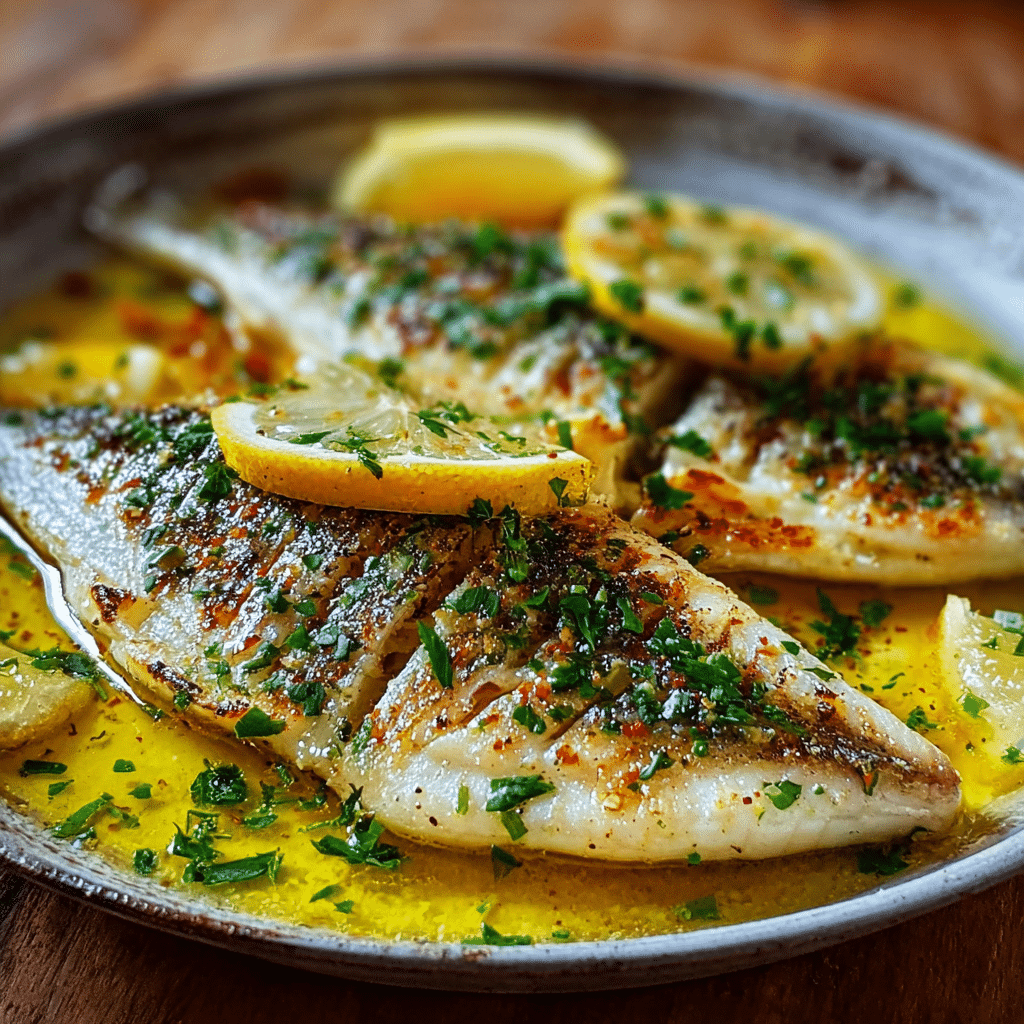
This dish is the perfect blend of elegance and simplicity. Tender fillets of sea bream are quickly pan-seared until the skin is crisp and the flesh is just cooked through, then bathed in a silky lemon-garlic butter sauce that you can make in minutes. The flavor is clean and fresh, with enough richness from the butter to feel luxurious, and enough zing from the lemon to keep each bite lively.
It’s the kind of recipe that looks restaurant-worthy but is easy enough for a weeknight. With a short ingredient list and simple steps, you can go from pan to plate in under 30 minutes. Yet the result is special enough for date night, dinner with friends, or a celebratory meal that doesn’t leave you exhausted in the kitchen.
Whether you’re already comfortable cooking fish or you’re just starting to experiment with it, this recipe is a confidence-booster. The lemon butter is forgiving, the searing method is straightforward, and the flavors are classic enough to please almost everyone at the table.
Core Ingredients for Making the Recipe
To prepare these bright and flavorful sea bream fillets, you only need a few essentials and a couple of pantry staples.
Here’s what you’ll need:
Sea Bream Fillets with Lemon Butter
Ingredients
- Sea bream fillets 600 g
- Butter 50 g
- Lemon 30 ml (juice + zest)
- Olive oil 15 ml
- Garlic 1 clove (5 g)
Useful pantry additions (recommended)
- Salt, to taste
- Freshly ground black pepper, to taste
- Fresh parsley or dill, finely chopped (for garnish, optional)
- A pinch of chili flakes (optional, for a subtle kick)
You can make a lovely dish with just the core ingredients, but a little salt, pepper, and herbs help the flavors really shine.
Step-by-Step
Guide to Making the Recipe
1. Prepare the Fillets
Great fish starts with a little bit of care before it ever touches the pan.
- Pat the fillets dry
Take your sea bream fillets out of the refrigerator and gently pat them dry on both sides with paper towels. Removing excess moisture is key to getting a crisp, golden surface instead of steaming the fish. - Check for pin bones
Run your fingers gently along the flesh side of each fillet. If you feel any small bones, use tweezers or clean kitchen pliers to pull them out. Sea bream is usually well-trimmed, but it’s always worth checking. - Season lightly
Sprinkle both sides of the fillets with a little salt and freshly ground black pepper. Because sea bream has a delicate flavor, you don’t need heavy seasoning—just enough to enhance the natural sweetness of the fish. - Let the fish rest briefly
Allow the fillets to sit at room temperature for about 10–15 minutes while you prepare your pan and ingredients. This helps them cook more evenly and reduces the risk of curling when they hit the hot pan.
2. Get the Pan Ready
For beautifully seared fish, you need a hot pan and the right amount of fat.
- Choose your pan
A heavy non-stick skillet or a well-seasoned stainless steel or cast-iron pan works best. The heavier the pan, the more evenly it will hold heat and the better your sear will be. - Heat the olive oil
Place the pan over medium-high heat and pour in the 15 ml of olive oil. Tilt the pan to coat the surface evenly. Let the oil heat until it shimmers—you should see a slight ripple when you move the pan. - Test the heat
If you’re unsure whether the pan is hot enough, tap the corner of a fillet against the surface. It should sizzle immediately. If it doesn’t, wait another 30 seconds and test again.
3. Sear the Sea Bream
This is where you build flavor and texture: crisp edge, flaky interior, and a little color that makes the dish look as good as it tastes.
- Place the fillets skin-side down
Gently lay the sea bream fillets in the hot pan, skin-side down if your fillets still have skin. If they’re skinless, place the side that will be the “presentation” side down first. - Press gently to prevent curling
For the first 20–30 seconds, lightly press each fillet down with a spatula. This helps the skin stay in full contact with the pan and prevents it from curling up. - Let them cook undisturbed
Once the fillets are lying flat, resist the temptation to move them around. Leave them to sear for about 3–4 minutes, depending on thickness, until you see the color of the flesh change and turn opaque from the bottom up. - Flip carefully
When the edges look golden and the fish releases easily from the pan, gently flip each fillet using a spatula. If it feels stuck, give it another 30 seconds—the fish will naturally release when a crust has formed. - Cook the second side
Cook the other side for another 2–3 minutes, just until the fish is opaque all the way through and flakes easily with a fork. Sea bream cooks quickly; you want it just done, not dry. - Transfer and keep warm
Once cooked, transfer the fillets to a warm plate and loosely cover with foil while you make the lemon butter in the same pan. Don’t worry if a few browned bits of fish or seasoning are stuck to the pan—those will add flavor to the sauce.
4. Make the Lemon Butter Sauce
The sauce comes together in minutes and uses the same pan, soaking up all the savory flavor left behind by the fish.
- Lower the heat
Reduce the heat to medium-low. If the pan looks very dry, add a tiny splash of olive oil or a teaspoon of butter to keep things moving. - Add the garlic
Mince the garlic clove finely. Add it to the pan and sauté for 20–30 seconds, just until fragrant. Be careful not to let it burn; garlic turns bitter very quickly if it browns too much. - Deglaze with lemon juice
Pour in the 30 ml of lemon juice. It will sizzle and release steam as it hits the hot pan. Use a wooden spoon or spatula to scrape up any browned bits stuck to the bottom. These bits are packed with flavor and will melt into the sauce. - Add the butter
Add the 50 g of butter to the pan in small chunks. Stir gently as it melts into the lemon and garlic mixture. Keep the heat low—just enough to melt the butter and blend it into a smooth, glossy sauce. - Add lemon zest
Grate the zest from your lemon and stir it into the sauce. The zest adds a bright, aromatic citrus note that deepens the lemon flavor without extra acidity. - Season and adjust
Taste the sauce and add a pinch of salt or pepper if needed. If you’d like a hint of heat, add a pinch of chili flakes. If it tastes too sharp, swirl in a tiny knob of extra butter to soften the acidity.
The finished sauce should be silky, fragrant, and well balanced—rich from the butter, bright from the lemon, and gently aromatic from the garlic.
5. Bring It All Together
- Return the fillets to the pan (optional)
If you’d like the fish to soak briefly in the sauce, slide the cooked sea bream fillets back into the pan for 30–60 seconds, spooning the lemon butter over the top. This step is optional but helps the flavors meld. - Plate the dish
Place one or two fillets on each plate, depending on portion size. Spoon the lemon butter generously over the top, letting it pool slightly around the fish. - Garnish
Sprinkle chopped fresh parsley or dill over the fish. The green color pops against the golden fillets and gives a fresh, herbal note to each bite.
Your Sea Bream Fillets with Lemon Butter are now ready to serve—simple, elegant, and full of flavor.
Flavor Variations and Creative Twists
One of the joys of a dish like this is how adaptable it is. Once you’ve mastered the basic method, you can easily change the mood of the recipe with a few tweaks.
1. Mediterranean Herb Sea Bream
For a more Mediterranean character:
- Add a sprinkle of dried oregano or thyme to the fillets before searing.
- Stir a spoonful of chopped fresh basil, parsley, or oregano into the lemon butter just before serving.
- Finish with a few halved cherry tomatoes, briefly warmed in the pan after the fish is cooked, to add sweetness and color.
2. Lemon Caper Sea Bream
If you love the salty tang of capers, this variation is for you:
- After sautéing the garlic, add 1–2 tablespoons of rinsed capers to the pan.
- Let them sizzle for a minute in the lemon juice before adding the butter.
- The capers provide bursts of briny flavor that contrast beautifully with the buttery sauce.
3. Spicy Lemon Butter Sea Bream
For those who enjoy a touch of heat:
- Add a pinch of chili flakes or finely chopped fresh chili to the pan with the garlic.
- Keep the rest of the recipe the same.
- The gentle spice pairs nicely with the richness of the butter and the brightness of the lemon.
4. Creamy Lemon Butter Sea Bream
If you want something a little richer and more indulgent:
- After the butter has melted into the lemon and garlic, add 2–3 tablespoons of heavy cream or crème fraîche.
- Stir gently until the sauce thickens slightly.
- This version is wonderful served over mashed potatoes or creamy polenta.
5. Herb-Crusted Sea Bream
Add a bit more texture:
- Mix finely chopped herbs (parsley, dill, or chives) with a small amount of olive oil and a tablespoon of breadcrumbs.
- Spread a thin layer over the top of each fillet before searing (start fish flesh-side down, then flip to crisp the crust).
- Finish with the lemon butter sauce as usual.
Each of these variations builds on the same basic idea: tender sea bream, quick cooking, and a lemon butter sauce that ties everything together.
How to Serve
Sea Bream Fillets with Lemon Butter are incredibly versatile when it comes to serving. You can keep things simple or turn the dish into a complete, well-rounded meal.
Serving Suggestions
- With Potatoes
- Serve the fish over creamy mashed potatoes, roasted baby potatoes, or a simple potato salad. The potatoes soak up the lemon butter beautifully.
- With Rice or Grains
- Fluffy basmati rice, lemony couscous, or a light quinoa salad all pair well with the bright sauce. Spoon the lemon butter over the grains for extra flavor.
- With Vegetables
- Lightly steamed or roasted vegetables—such as green beans, asparagus, broccoli, or zucchini—make a perfect side. A squeeze of extra lemon over the vegetables ties the whole plate together.
- With a Fresh Salad
- A crisp green salad with mixed leaves, cucumber, and a simple vinaigrette is a refreshing contrast to the richness of the butter.
Plating Ideas
For a simple yet elegant presentation:
- Place a bed of mash, rice, or veggies in the center of the plate.
- Lay the sea bream fillet on top.
- Spoon lemon butter around and over the fish.
- Finish with parsley or dill, a slice or wedge of lemon, and perhaps a sprinkle of freshly ground pepper.
The result is a dish that looks special but feels relaxed—perfect for everything from family dinners to entertaining guests.
Tips & Variations
A few practical tips can help you get flawless results every time.
Choose Fresh, Good-Quality Fish
- Fresh sea bream should have a clean, ocean-like smell—not fishy or sour.
- The flesh on whole fish should be firm, and the eyes clear and bright.
- If using fillets, look for moist, glossy flesh without any dry or darkened edges.
Don’t Overcook the Fish
- Sea bream cooks quickly, especially in fillet form.
- The flesh should turn opaque and flake easily with a fork, but still look moist.
- If you’re unsure, you can gently peek in the thickest part of a fillet with a knife. Pull it from the pan as soon as it is just cooked through; it will continue to cook slightly from residual heat.
Control the Heat
- Start with medium-high heat to get a good sear, then reduce the heat slightly if the fish is browning too fast.
- When making the lemon butter sauce, keep the heat low. Butter should melt and emulsify, not fry or burn.
Use the Right Pan Size
- If your pan is too crowded, the fish will steam instead of searing.
- Cook in batches if necessary and keep earlier fillets warm in a low oven while you finish the rest.
Adjust Lemon and Butter to Taste
- If you prefer a lighter, sharper sauce, use a bit more lemon and slightly less butter.
- For a richer, mellower sauce, add a little extra butter and reduce the lemon slightly.
- Always taste at the end and adjust—your palate is the final judge.
Final Thoughts
Sea Bream Fillets with Lemon Butter are a perfect example of how a few simple ingredients can create something truly memorable. There’s nothing complicated about the method: dry the fish, season it lightly, sear it in a hot pan, then whisk together a quick sauce of butter, lemon, and garlic. Yet the result tastes like something you’d happily order in a seaside restaurant.
This dish is ideal for anyone who wants to cook more fish at home but feels a bit intimidated. The recipe is forgiving, quick, and endlessly adaptable. Once you’ve made it once, you’ll see how easy it is to change up the herbs, garnishes, and sides to fit whatever mood or occasion you’re cooking for.
Whether you’re planning a quiet dinner for yourself, a family meal that feels special without being fussy, or a simple main course for guests, these sea bream fillets deliver: light, flavorful, and full of sunshine from the lemon and herbs.
FAQ
Can I use a different type of fish instead of sea bream?
Yes. This recipe works beautifully with many mild white fish fillets such as sea bass, cod, haddock, snapper, or tilapia. Just adjust the cooking time slightly depending on thickness—thicker fillets may need a minute or two longer.
Can I cook the fish in the oven instead of on the stove?
Absolutely. You can bake the seasoned fillets on a lightly oiled tray at 375°F (190°C) for about 10–15 minutes, depending on thickness, until just cooked through. Make the lemon butter sauce separately on the stove and pour it over the baked fish before serving.
Can I use frozen sea bream fillets?
Yes, as long as they’re good quality. Thaw them in the refrigerator overnight or under cold running water, then pat very dry before seasoning and cooking. Excess moisture is the enemy of a good sear.
Is it possible to make the dish without butter?
Butter is key to the classic flavor and texture of the sauce, but you can make a lighter, dairy-free version using olive oil. Sauté the garlic in olive oil, add lemon juice and zest, and finish with a little extra olive oil for richness. The taste will be different—more like a lemon-garlic vinaigrette—but still delicious.
Can I prepare anything in advance?
You can:
- Zest and juice the lemon ahead of time.
- Mince the garlic and chop your herbs.
- If you’re serving with sides like potatoes or vegetables, cook those first.
The fish itself is best cooked just before serving to keep the skin crisp and the flesh tender.
What can I do with leftovers?
Leftover sea bream can be gently reheated or flaked cold into salads, pasta dishes, or grain bowls. If reheating, do so gently over low heat or in a low oven to avoid drying out the fish. Leftovers are best eaten within 1–2 days.