
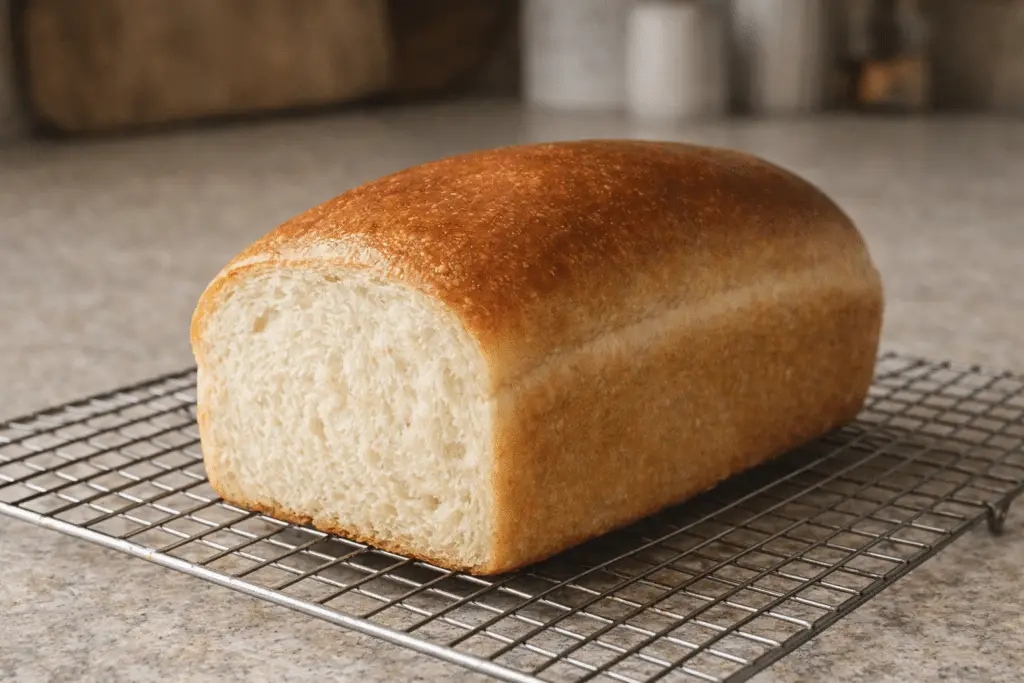
If you’re chasing that ultra-soft, cloud-like bread you see in bakeries—pillowy slices with a tender crumb and just a hint of sweetness—this is the recipe you want. This milk bread is rich without being heavy, simple without being boring, and versatile enough for breakfast toast, sandwiches, or just tearing off a warm slice and eating it plain.
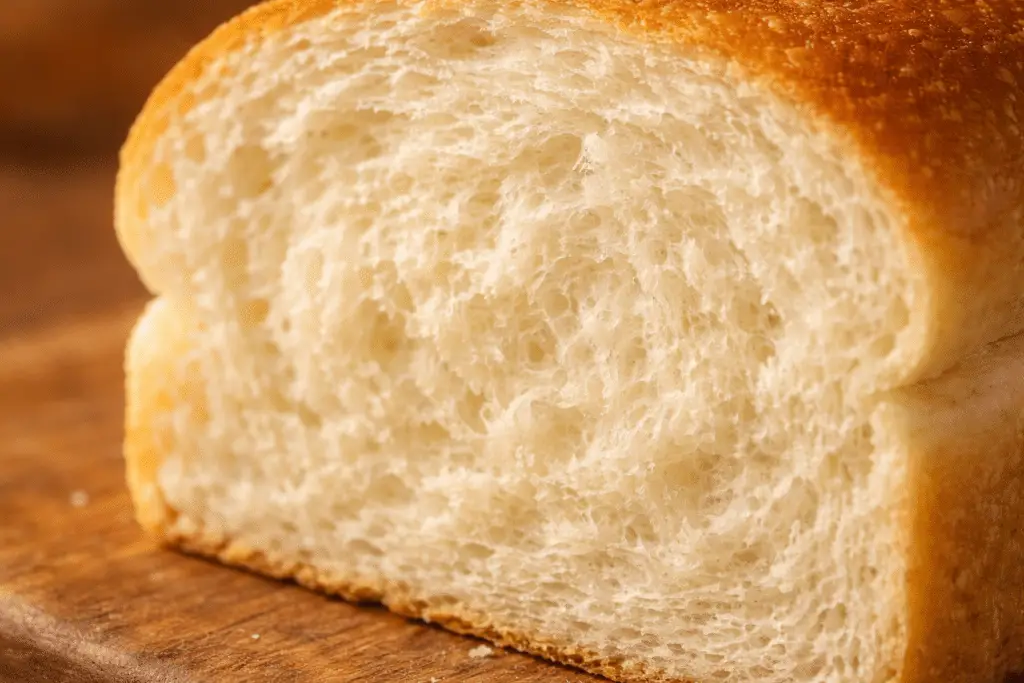
What makes this bread special is the balance: warm milk for softness, a touch of sugar for flavor and browning, butter for richness, and an egg to give structure without drying it out. The result is a loaf that stays soft for days and feels almost cottony when you press on it.
Below you’ll find a complete, step-by-step recipe using the exact ingredients provided, along with tips, variations, and troubleshooting so you get perfect results on your first try.
Why This Milk Bread Is So Soft
Milk bread is all about moisture and fat. Compared to lean breads made with just flour, water, yeast, and salt, this dough includes milk, butter, sugar, and an egg. Each plays a role:
- Warm milk tenderizes the crumb and adds subtle sweetness
- Butter coats the flour proteins, limiting gluten toughness
- Sugar feeds the yeast and helps with browning
- Egg adds structure and richness without making the bread dense
Combined with proper kneading and a gentle bake, these ingredients create an exceptionally soft loaf.
Ingredients You’ll Need
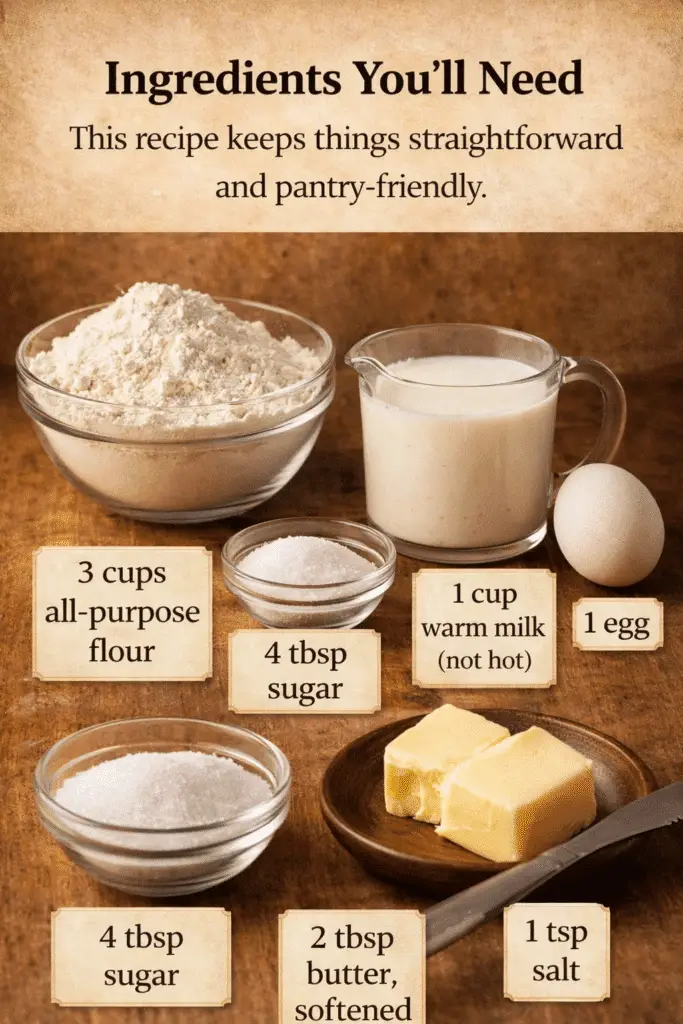
This recipe keeps things straightforward and pantry-friendly.
- 3 cups all-purpose flour
- 1 cup warm milk (not hot)
- 4 tablespoons sugar
- 2 tablespoons butter, softened
- 1 egg
- 1 teaspoon salt
Note: Warm milk should feel warm to the touch, roughly lukewarm. If it’s too hot, it can interfere with yeast activity.
How to Make The Softest Milk Bread Ever
Step 1: Prepare the Dough
In a large mixing bowl, add the warm milk and sugar. Stir briefly to dissolve the sugar. Add the egg and softened butter, mixing until mostly combined.
Gradually add the flour and salt, stirring until a shaggy dough forms. Once it becomes difficult to stir, switch to using your hands.
Step 2: Knead Until Smooth
Transfer the dough to a lightly floured surface. Knead for about 8–10 minutes by hand. The dough should become smooth, elastic, and slightly tacky but not sticky.
If the dough sticks too much, sprinkle a small amount of flour—avoid adding too much, as this can make the bread dense.
Step 3: First Rise
Shape the dough into a ball and place it in a lightly greased bowl. Cover with a clean kitchen towel or plastic wrap.
Let it rise in a warm place for 1 to 1½ hours, or until doubled in size. A slow, steady rise is key to a soft crumb.
Step 4: Shape the Loaf
Once risen, gently punch down the dough to release excess air. Transfer it to a clean surface and shape it into a log, tucking the seams underneath.
Place the shaped dough into a greased loaf pan.
Step 5: Second Rise
Cover again and let the dough rise for another 30–45 minutes, until it puffs up and rises just above the rim of the pan. This second rise is crucial for a light, fluffy texture.
Step 6: Bake
Preheat your oven to 350°F (175°C).
Bake the bread for 30–35 minutes, or until the top is golden brown and the loaf sounds hollow when tapped. If the top browns too quickly, loosely cover it with foil for the last 10 minutes.
Step 7: Cool Properly
Remove the loaf from the oven and let it cool in the pan for 10 minutes. Then transfer it to a wire rack to cool completely.
For the softest slices, allow the bread to cool fully before cutting.
Tips for Perfect Milk Bread Every Time
- Don’t rush the rise: Under-proofed dough leads to dense bread
- Measure flour correctly: Spoon flour into your measuring cup and level it off
- Knead until elastic: Proper gluten development ensures structure and softness
- Avoid overbaking: Even a few extra minutes can dry out the loaf
How Soft Should the Dough Be?
This dough should feel soft and supple, not stiff. When you press it gently, it should spring back slowly. If the dough feels tight or dry, the finished bread won’t be as tender.
Serving Ideas
This milk bread is incredibly versatile:
- Toasted with butter and jam
- Used for sandwiches or grilled cheese
- Turned into French toast
- Served alongside soups or stews
- Enjoyed plain while still slightly warm
Because it’s lightly sweet, it works equally well for savory or sweet uses.
Storage and Shelf Life
To keep the bread soft:
- Store at room temperature in an airtight container or bread bag for up to 3 days
- For longer storage, slice and freeze for up to 2 months
- Reheat slices briefly to restore softness
Avoid refrigerating, as it dries out bread faster.
Variations You Can Try
Once you’ve mastered the base recipe, you can easily adapt it:
- Butter-brushed top: Brush melted butter over the loaf right after baking
- Milk wash: Brush milk over the dough before baking for extra browning
- Dinner rolls: Divide the dough into small balls and bake in a pan
- Braided loaf: Split into strands and braid for a bakery-style look
Common Mistakes and How to Fix Them
Bread is dense:
Likely under-kneaded or under-proofed. Knead longer and allow a full rise.
Crust is too hard:
Overbaking or too much flour. Reduce bake time slightly.
Bread dries out quickly:
Too much flour or not enough fat. Measure carefully and don’t skip the butter.
Frequently Asked Questions
Can I use low-fat milk?
Yes, but whole milk will give the softest and richest result.
Can I make this by hand without a mixer?
Absolutely. Hand kneading works perfectly for this dough.
Why is my bread not as fluffy as expected?
Temperature matters. Make sure your milk is warm and your rising environment isn’t too cold.
Final Thoughts
The Softest Milk Bread Ever lives up to its name. It’s tender, lightly sweet, and incredibly comforting—exactly the kind of bread you want to bake again and again. With simple ingredients and careful technique, you’ll get a loaf that rivals bakery bread and fills your kitchen with that unmistakable homemade aroma.
Once you try it, this recipe is likely to become your go-to soft bread base for everything from toast to special treats.
Print
The Softest Milk Bread Ever
Ingredients
3 cups all-purpose flour
1 cup warm milk (not hot)
4 tablespoons sugar
2 tablespoons butter, softened
1 egg
1 teaspoon salt
Instructions
In a large mixing bowl, add the warm milk and sugar. Stir briefly to dissolve the sugar. Add the egg and softened butter, mixing until mostly combined.
Gradually add the flour and salt, stirring until a shaggy dough forms. Once it becomes difficult to stir, switch to using your hands.
Transfer the dough to a lightly floured surface. Knead for about 8–10 minutes by hand. The dough should become smooth, elastic, and slightly tacky but not sticky.
If the dough sticks too much, sprinkle a small amount of flour—avoid adding too much, as this can make the bread dense.
Shape the dough into a ball and place it in a lightly greased bowl. Cover with a clean kitchen towel or plastic wrap.
Let it rise in a warm place for 1 to 1½ hours, or until doubled in size. A slow, steady rise is key to a soft crumb.
Once risen, gently punch down the dough to release excess air. Transfer it to a clean surface and shape it into a log, tucking the seams underneath.
Place the shaped dough into a greased loaf pan.
Cover again and let the dough rise for another 30–45 minutes, until it puffs up and rises just above the rim of the pan. This second rise is crucial for a light, fluffy texture.
Preheat your oven to 350°F (175°C).
Bake the bread for 30–35 minutes, or until the top is golden brown and the loaf sounds hollow when tapped. If the top browns too quickly, loosely cover it with foil for the last 10 minutes.